Delivering scalability globally





Industry Standard Foundations
Each client design system is built using established industry standards, ensuring compatibility, longevity, and ease of adoption. This includes token based theming, atomic component models, accessibility-first design and responsive, platform agnostic patterns aligned with organisational needs and branding.

Design Development Parity
To eliminate translation gaps, every design system is implemented with full parity between design and development. Components are designed and documented alongside their coded equivalents, supported by dev libraries as the single source of truth. This ensures that what is designed is translated directly to what engineers build.
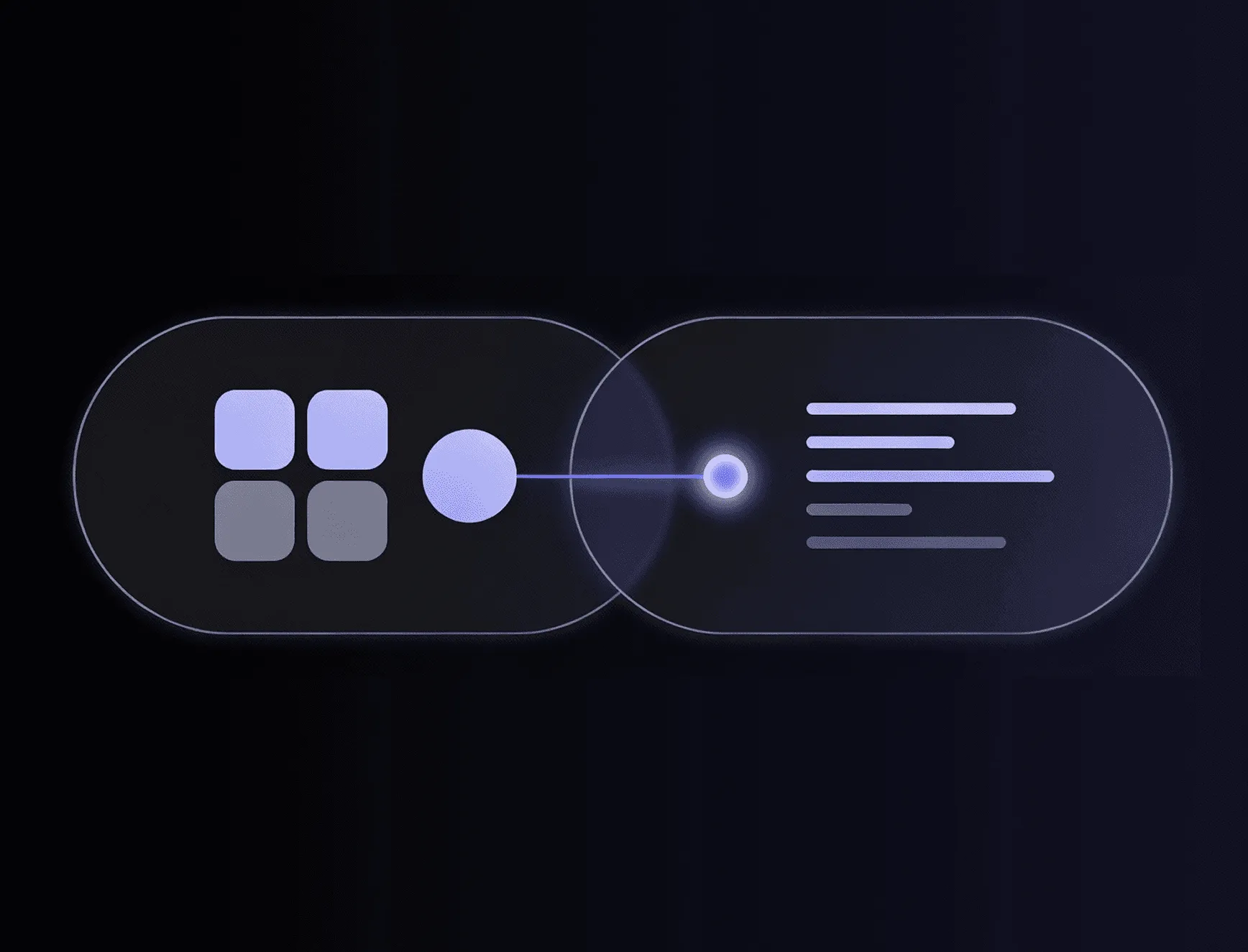
Component-Driven Architecture
Reusable, composable components are created to support multiple products and use cases. This allows teams to assemble experiences rapidly using pre-validated patterns, reducing build time while maintaining consistency and quality.

Documentation as Product
Documentation is treated as a first class product. Each system includes clear usage guidelines, do’s and don’ts, accessibility considerations and integration notes for engineering teams. This reduces onboarding time, improves dev adoption and enables non-designers to use the system with confidence.
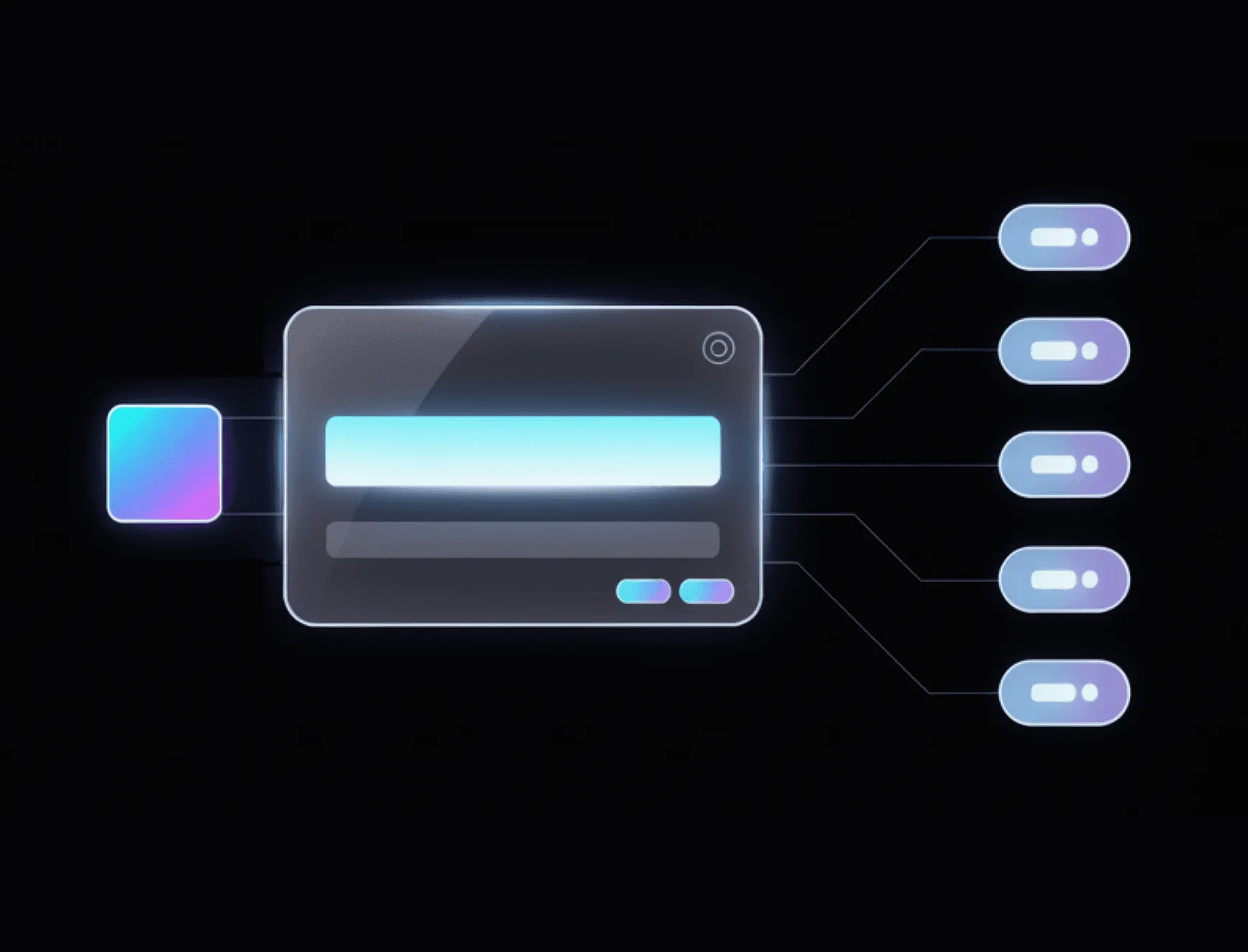
Brand Integration
Brand is embedded at the system level, not layered on afterwards. Visual language, typography, colour patterns and motion principles are translated into scalable tokens and components, ensuring brand consistency across products while allowing flexibility for future evolution.
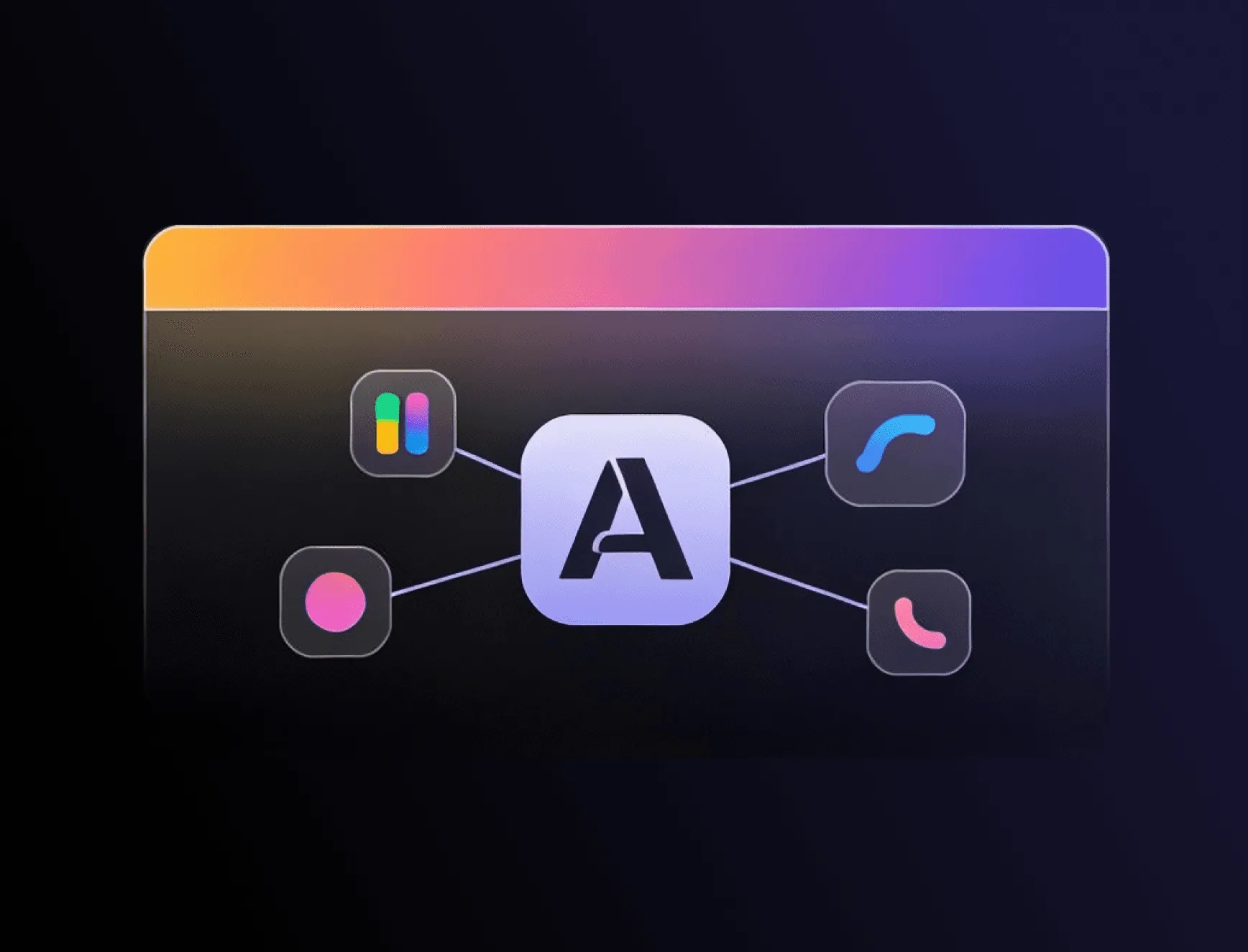
By designing and implementing first in class design systems grounded in industry standards, Kirschstein Creative enables organisations to scale product delivery without sacrificing quality or brand integrity. These systems became foundational platforms, accelerating development, aligning teams and future proofing your digital products across all environments.