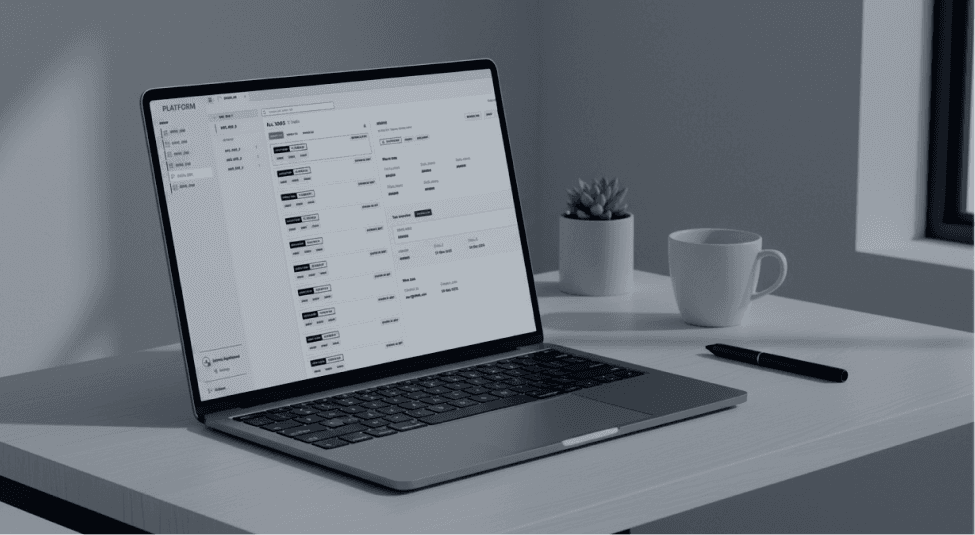
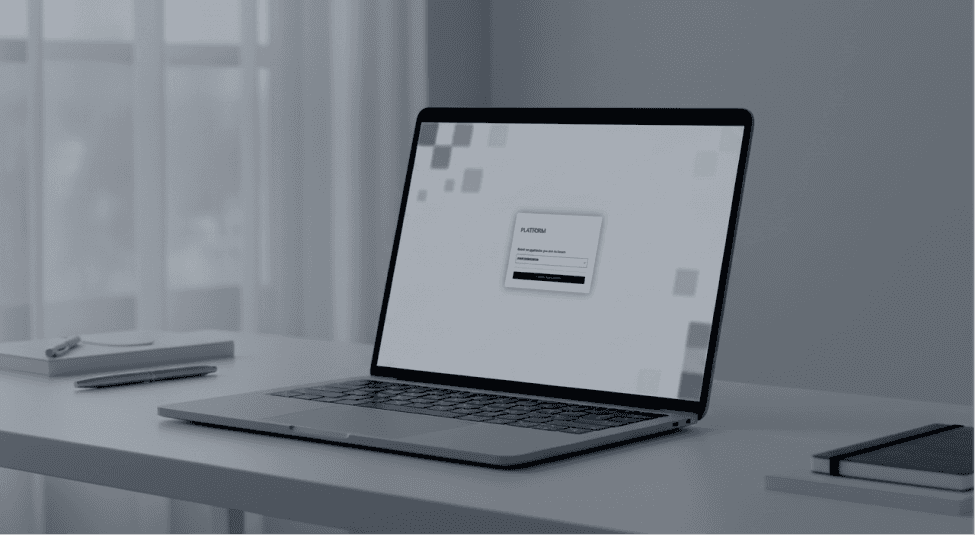
Product suite
A Unified Product Suite to Manage Data Intensive Workflows

Consolidating legacy tools into a single, scalable platform
A product suite for large scale data management, designed to replace a fragmented legacy ecosystem with a coherent set of tools.
Kirschtein Creative's Involvement
UX Principle
Lead Designer
Product Owner

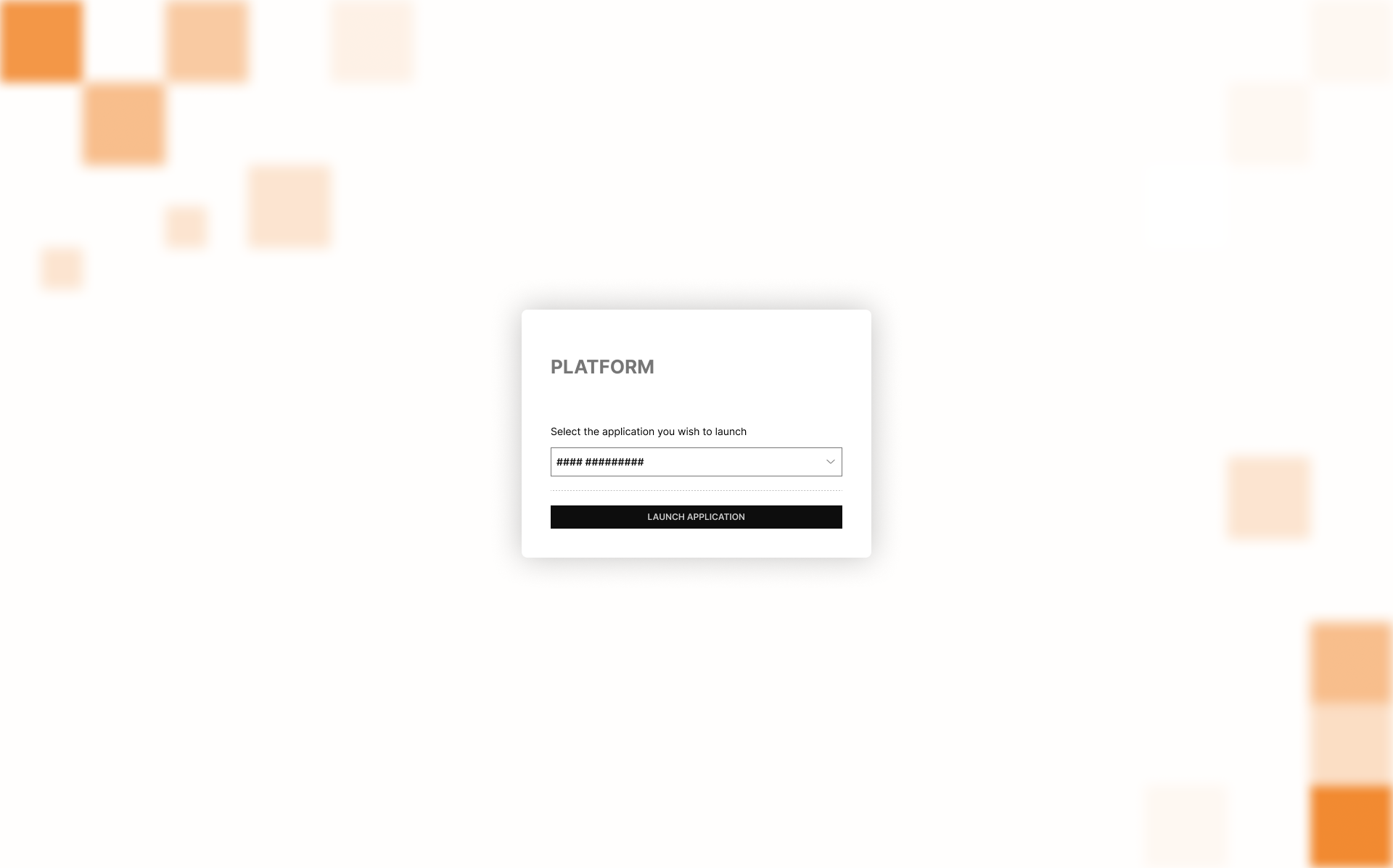
All visuals have been modified or recreated to remove proprietary data, branding, and client-specific details. Designs are illustrative and reflect process and outcomes rather than final production interfaces
The work replaced more than ten standalone processes and manual workflows with a unified product suite. Shared patterns, common interaction models, and a single design system reduced development effort exponentially, improved release quality and created a clearer mental model for users moving between capabilities.
Measured outcomes included higher work output, a significant reduction in task errors and improved speed of completion on core workflows. Over 200 global users adopted the new suite benefitting from consistent task management, analysis and dashboarding experiences.
Design team size
2
46%
Increase in operational speed
66%
Reduction in user‑reported errors
1
Centralised workspace
10+
Processes
1
Design system
200+
Global users
Products that function in unison
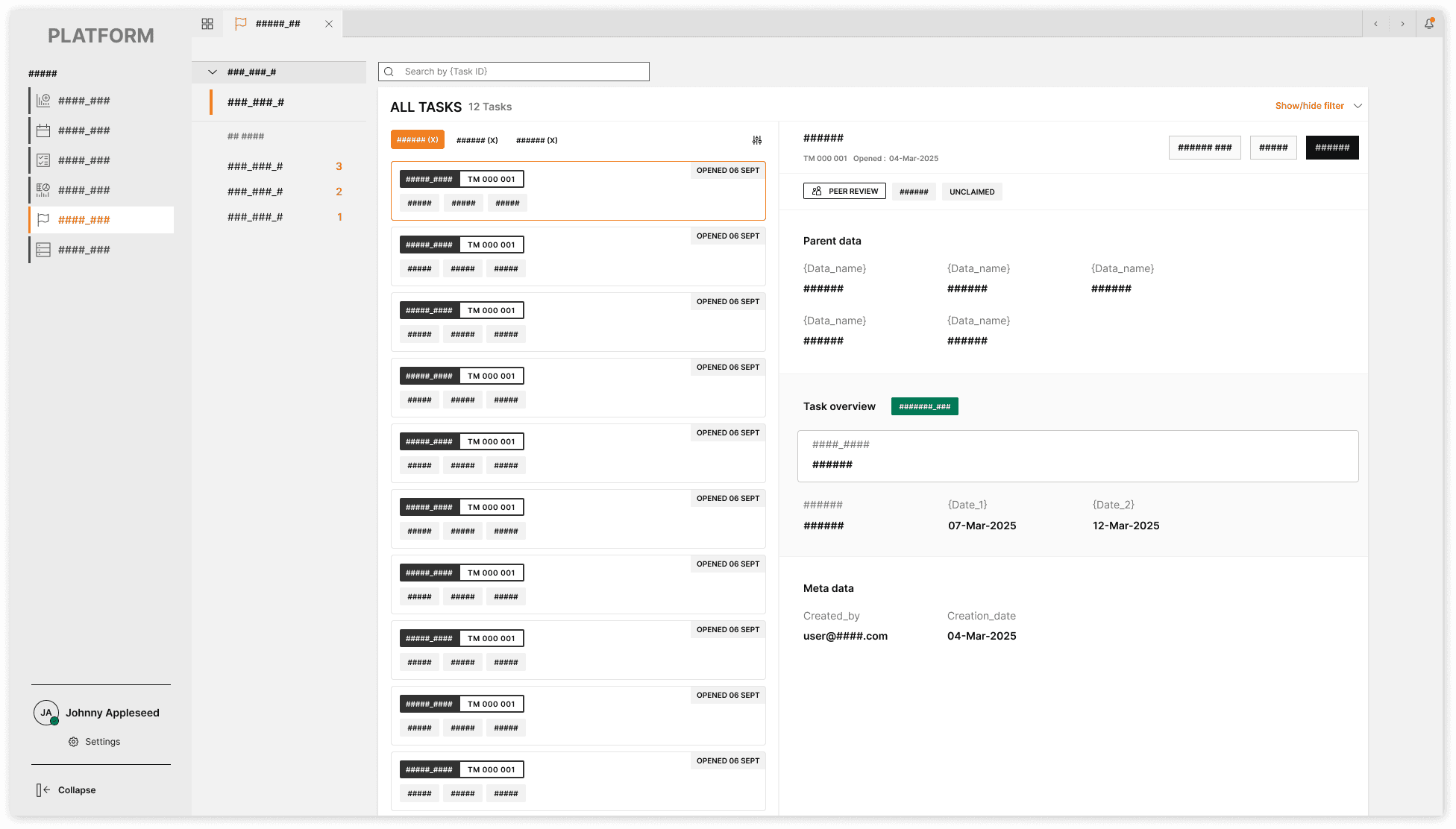
Task mangement
Work items, approvals and exception handling now follow consistent patterns, with clear ownership and lifecycle states.
Standardised task structures and reusable UI components reduced build time for new workflows and improved observability for leads and managers. Teams gained a single source of truth for work in progress, rather than reconciling multiple partial views.
View case study
Data analysis
Data analysis capabilities were consolidated into a dedicated DB workspace that supports ingestion, validation, transformation and inspection at scale. Unified patterns for filtering, pivoting and drill‑downs allowed analysts to move across datasets and tools without relearning interactions.
By aligning analysis tools to a common schema and shared visual language, the platform improved both discoverability of functions and trust in outputs. Advanced calculations could be configured and re used as first class objects, rather than as opaque, tool‑specific scripts.
Dashboarding
Dashboarding was re‑engineered as a modular, configurable layer on top of the shared data. Users can assemble views from a library of standardised visual components, apply consistent filters, and reuse layouts across teams and products.
This reduced the proliferation of bespoke, one‑off dashboards and enabled consistent interpretation of metrics across the organisation. Governance controls ensure that critical views are versioned, auditable and aligned with the underlying data contracts.
+7 more applications

Design system
Across every project, design patterns, components, and tokens are standardised into a reusable design system so teams can ship faster with less risk and higher consistency. Explore the principles, workflows, and tooling used to build industry grade systems.
Components, interaction patterns and design tokens were defined once and then applied across all applications in the suite. This eliminated UI divergence, reduced design‑to‑dev cycle time,and made it feasible to roll out platform‑level improvements without refactoring each product individually.
View case study
All visuals have been modified or recreated to remove proprietary data, branding, and client-specific details. Designs are illustrative and reflect process and outcomes rather than final production interfaces