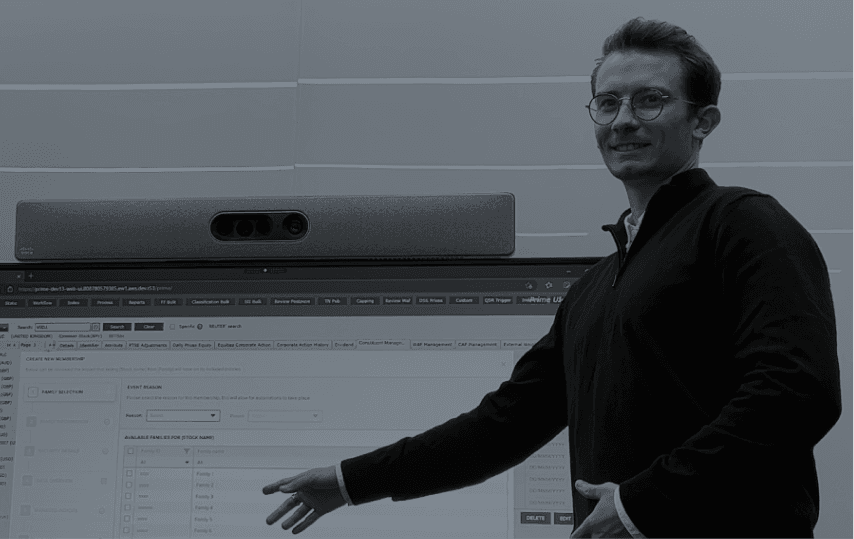
Internal SaaS tooling
A Unified Task Management Platform for Data Driven Workflows


Build for speed and accuracy
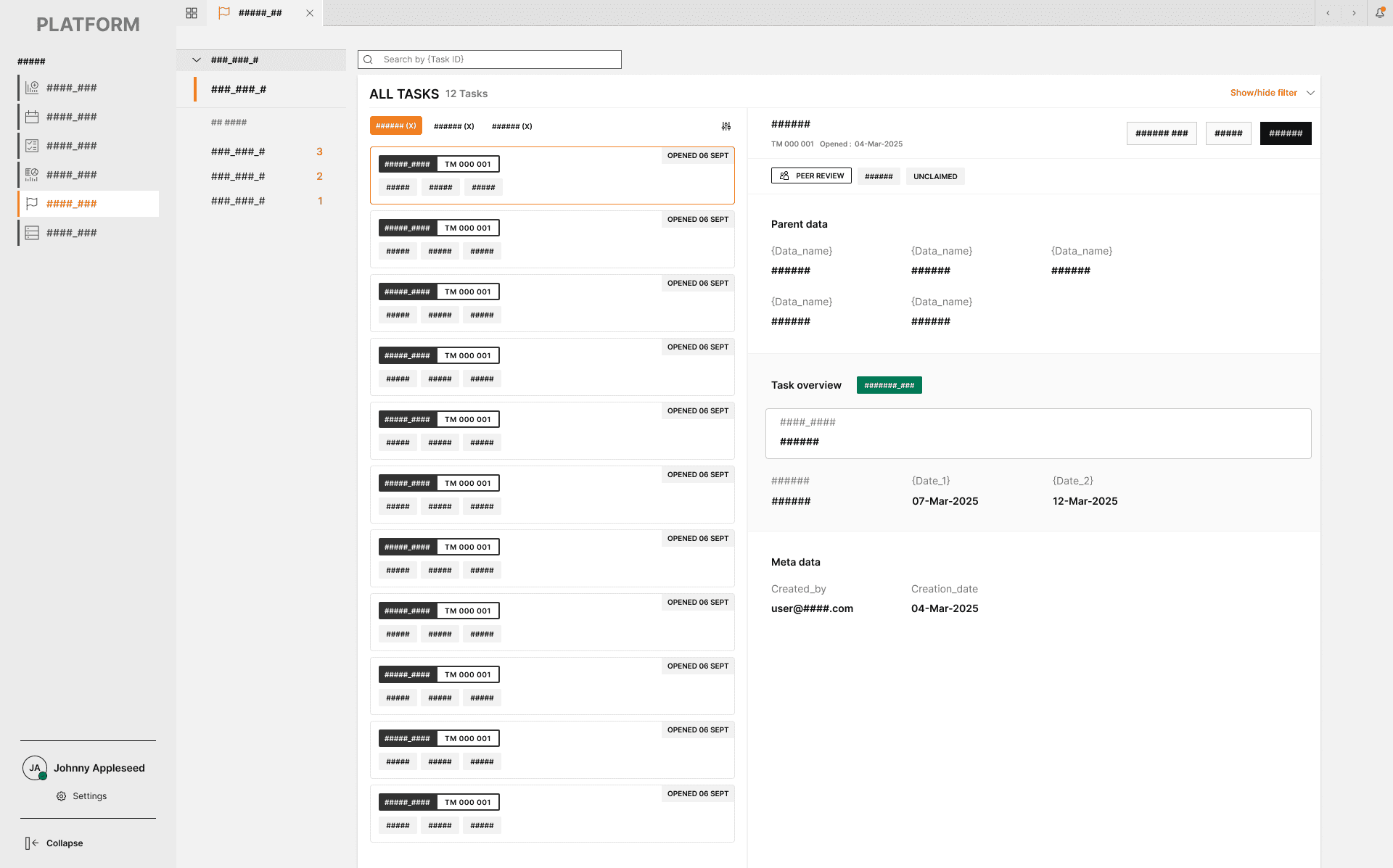
Designed to enable users to manage large datasets, review exceptions, and complete tasks in a consistent way.
Kirschtein Creative's Involvement
Principal Designer
Product Mentor
Product strategy

All visuals have been modified or recreated to remove proprietary data, branding, and client-specific details. Designs are illustrative and reflect process and outcomes rather than final production interfaces
A fragmented set of legacy tools and manual processes was replaced with a unified task management platform.
Key outcomes include:
Standardised workflows for managing datasets, exceptions and task review.
Reduced duplicated effort and cognitive load for internal users.
Faster, more reliable task completion with fewer errors.
Scalable patterns and reusable UX components to support multi asset features.
Design team size
1
End-to-End Workflow Redefinition
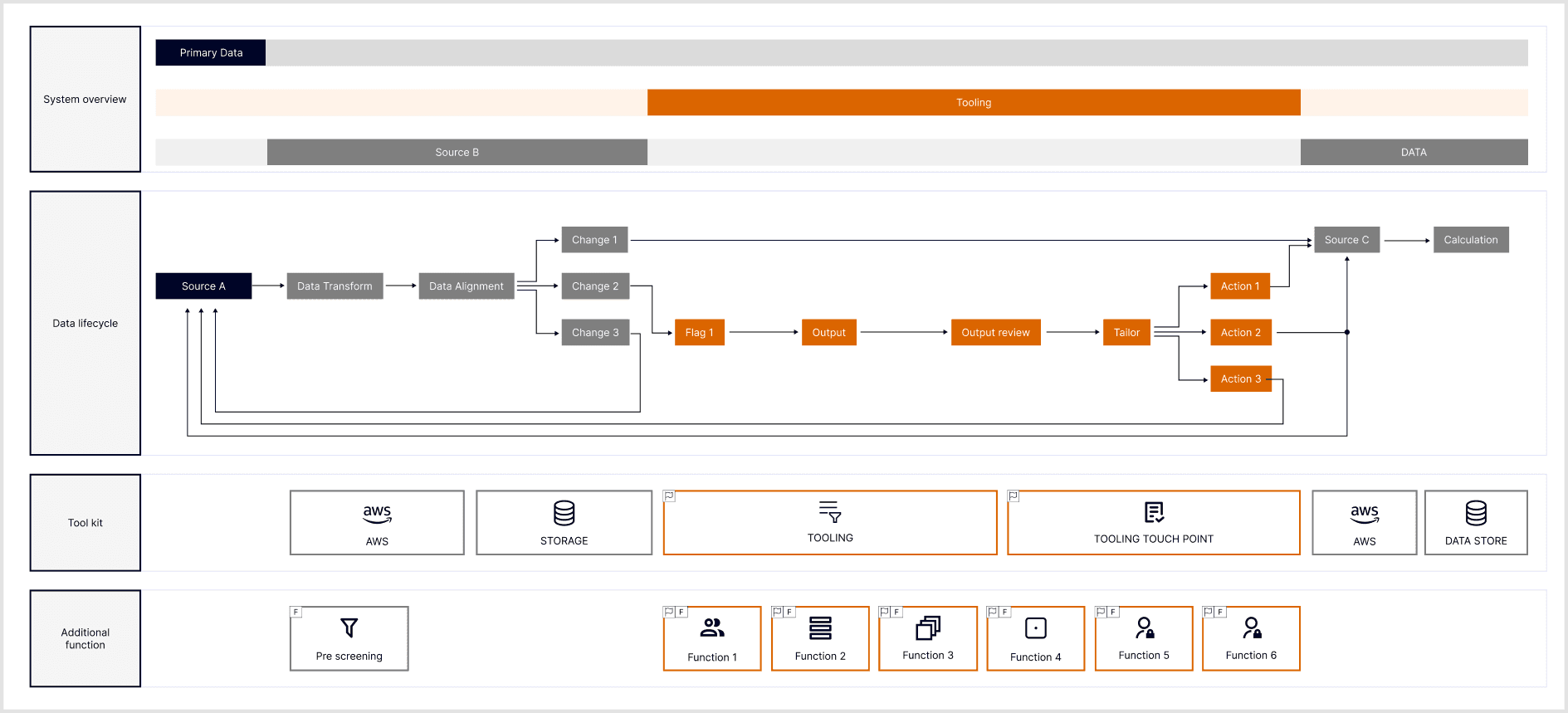
We began by mapping the complete operational lifecycle encompassing data ingestion, task orchestration, exception handling and reporting. This diagnostic activity revealed redundant processes, manual handoffs and structural inefficiencies that constrained throughput and autonomy.
Architecture & UX Convergence
A deliberate alignment between system architecture and user experience design was established at the outset.
Data hierarchies, validation logic and workflow constraints were represented directly within the UX models, ensuring functional parity between design intent and system capability. This integration prevented late stage design engineering divergence, minimised rework and supported consistent implementation across interconnected modules.
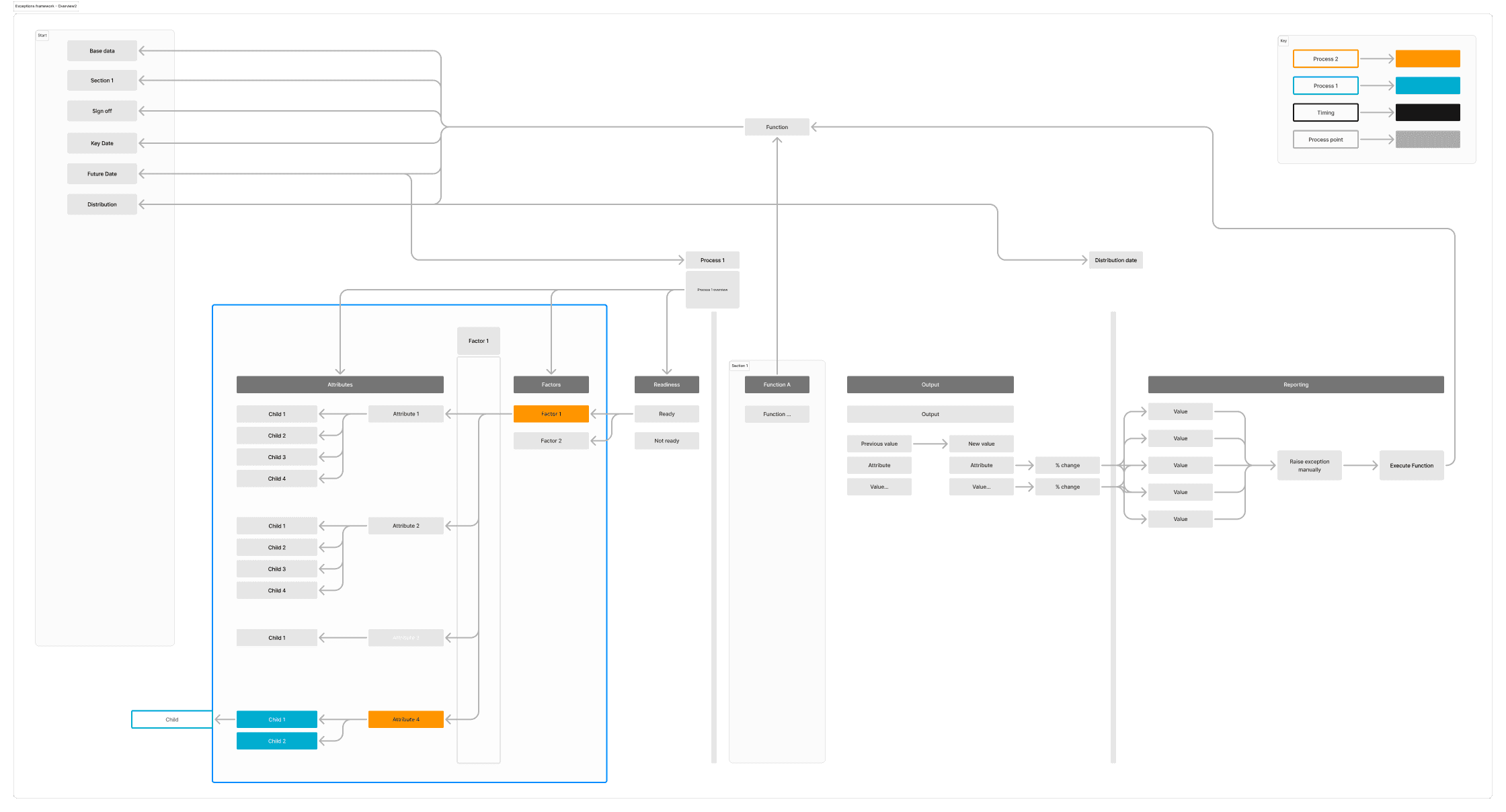
Conceptual Simplification
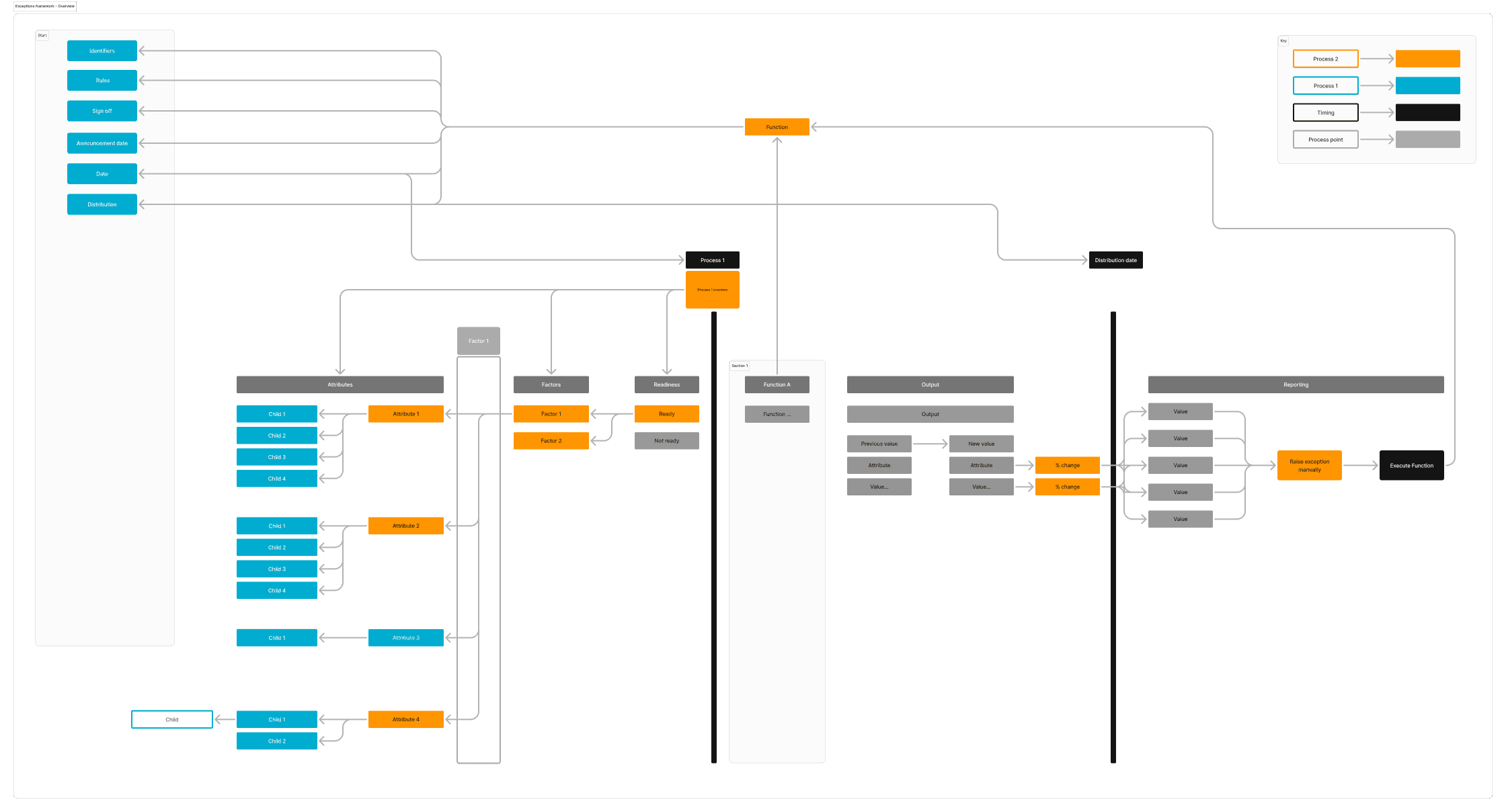
To manage complexity at scale, conceptual models were introduced to rationalise multifaceted operations into repeatable, auditable patterns. These abstractions provided a validation layer upstream of development, allowing stakeholders to interrogate workflow behaviour and align on expected outcomes before engineering investment.
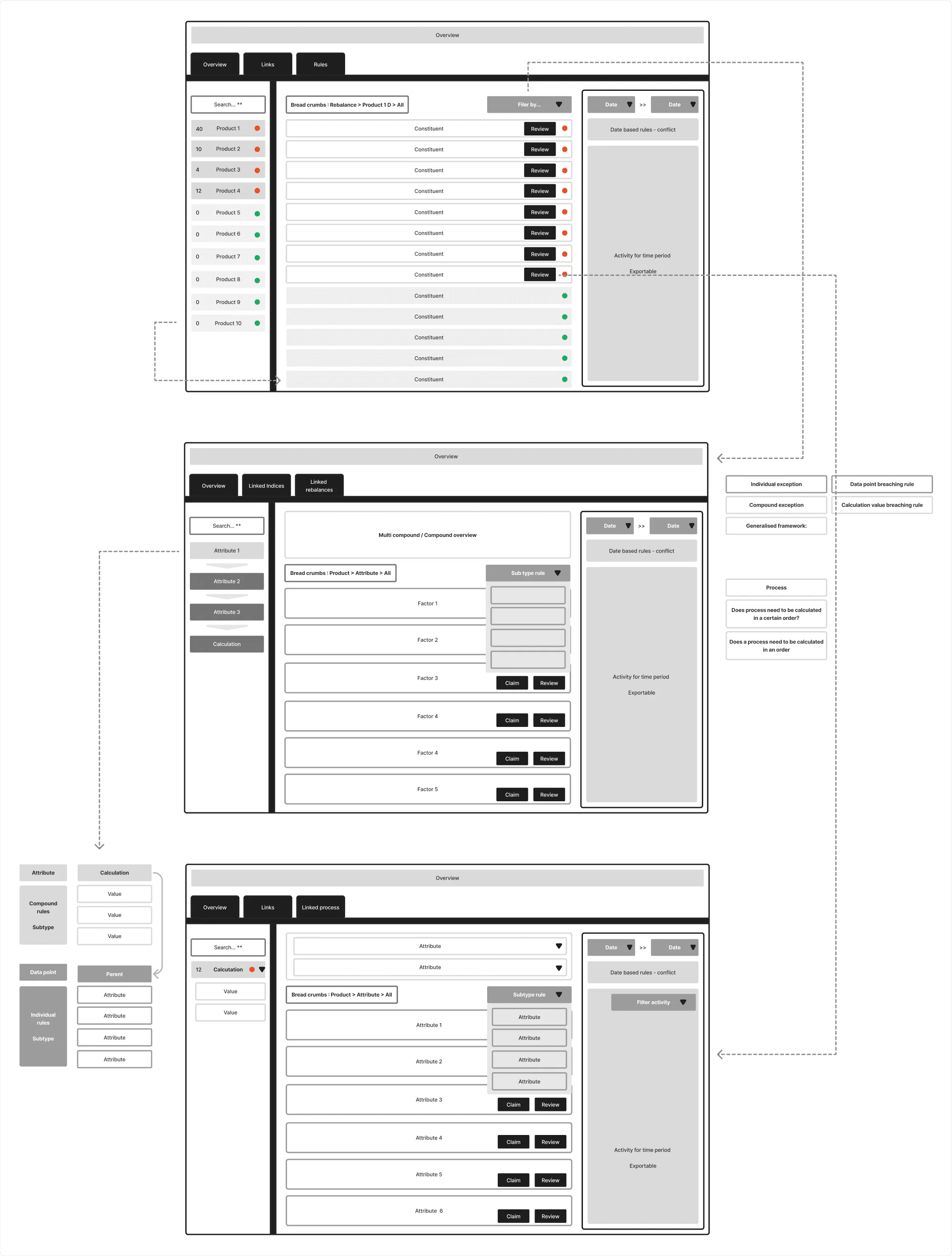
Architectural visualisation
Complementary system visualisations captured data lineage, task ownership and feedback loops; creating a single reference point across Product, Engineering, and Operations. This approach improved strategic alignment without exposing sensitive or proprietary data structures.
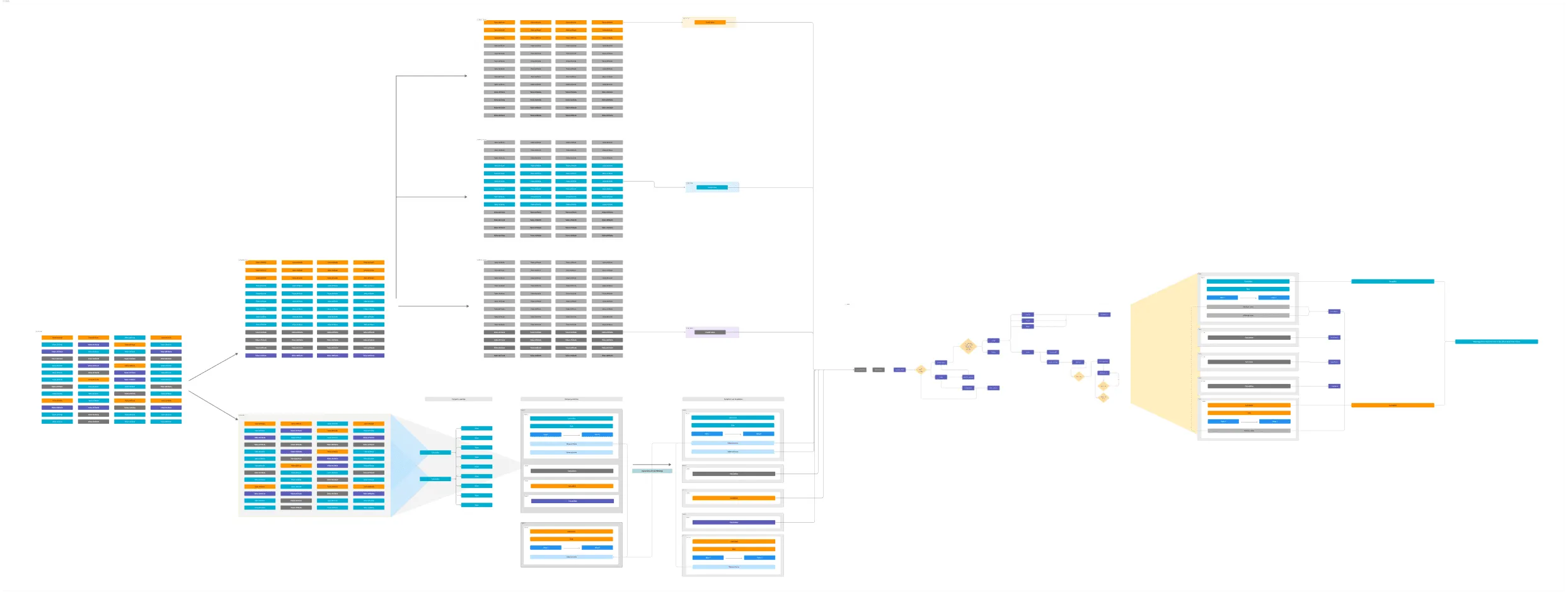
Agnostic userflows and UX function
Core operational flows were redefined around the system’s principal functions.
Each flow was re-engineered as a modular function, with reusable interaction patterns and business logic layers. The result was a portable UX architecture capable of adapting to evolving data models and operational requirements without compromising consistency or control.
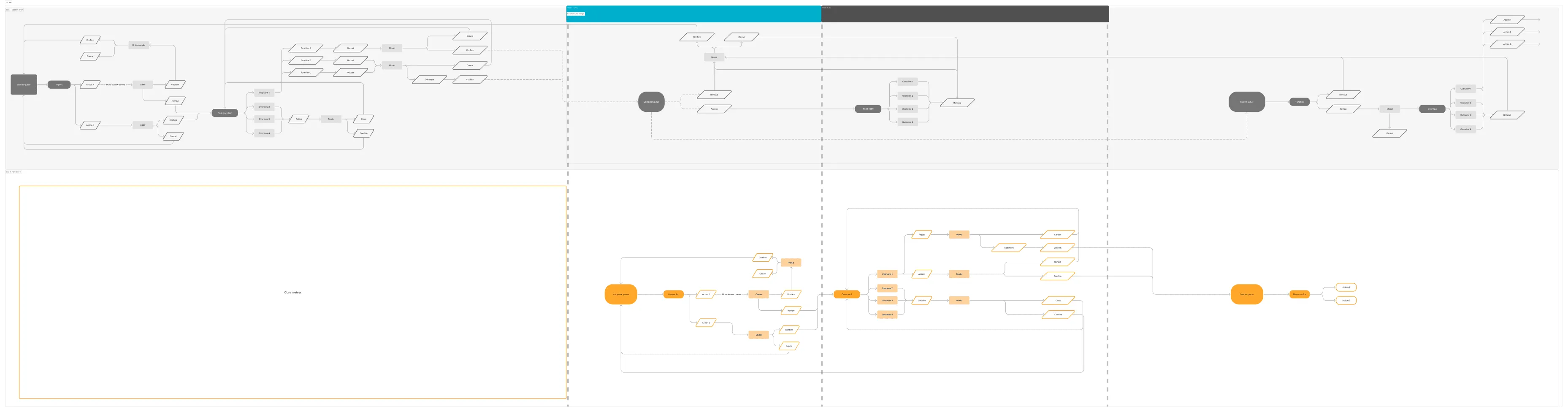
Usability Assurance
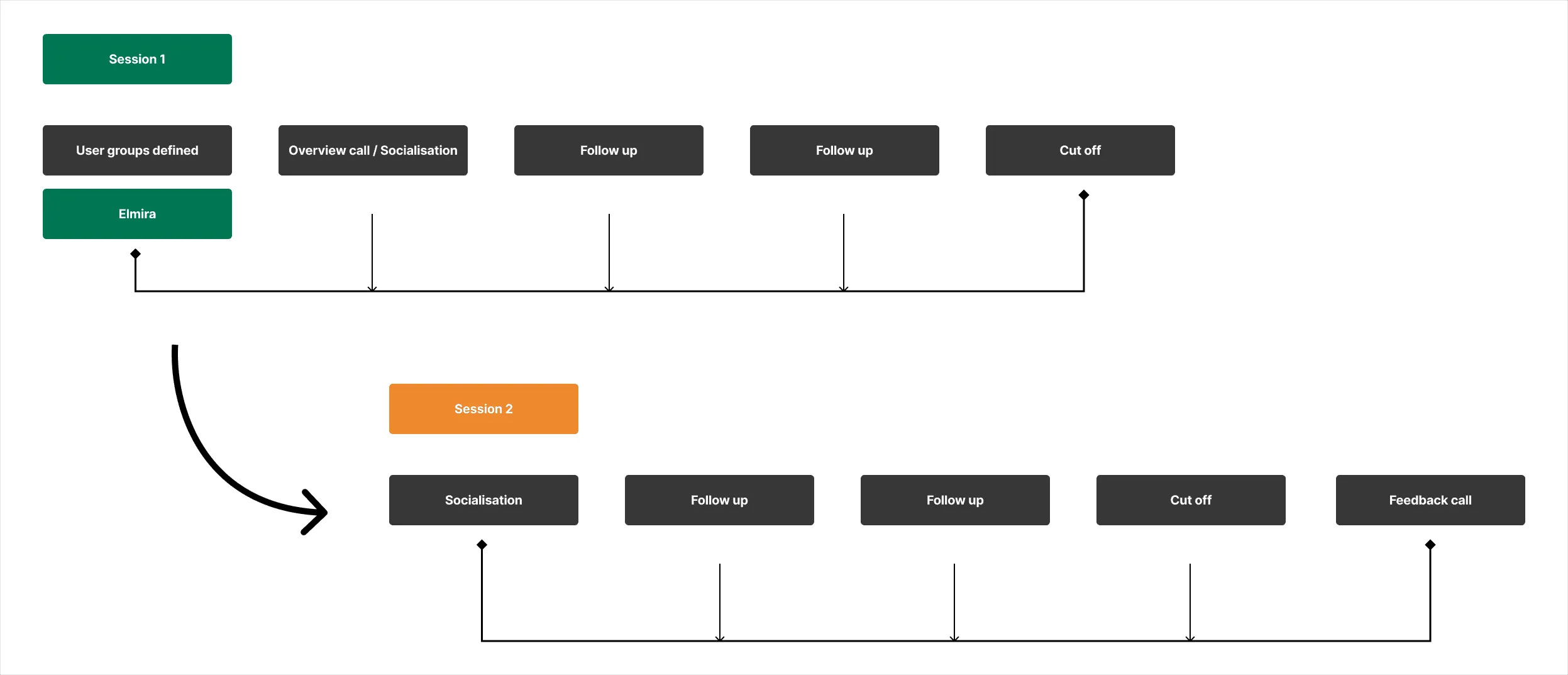
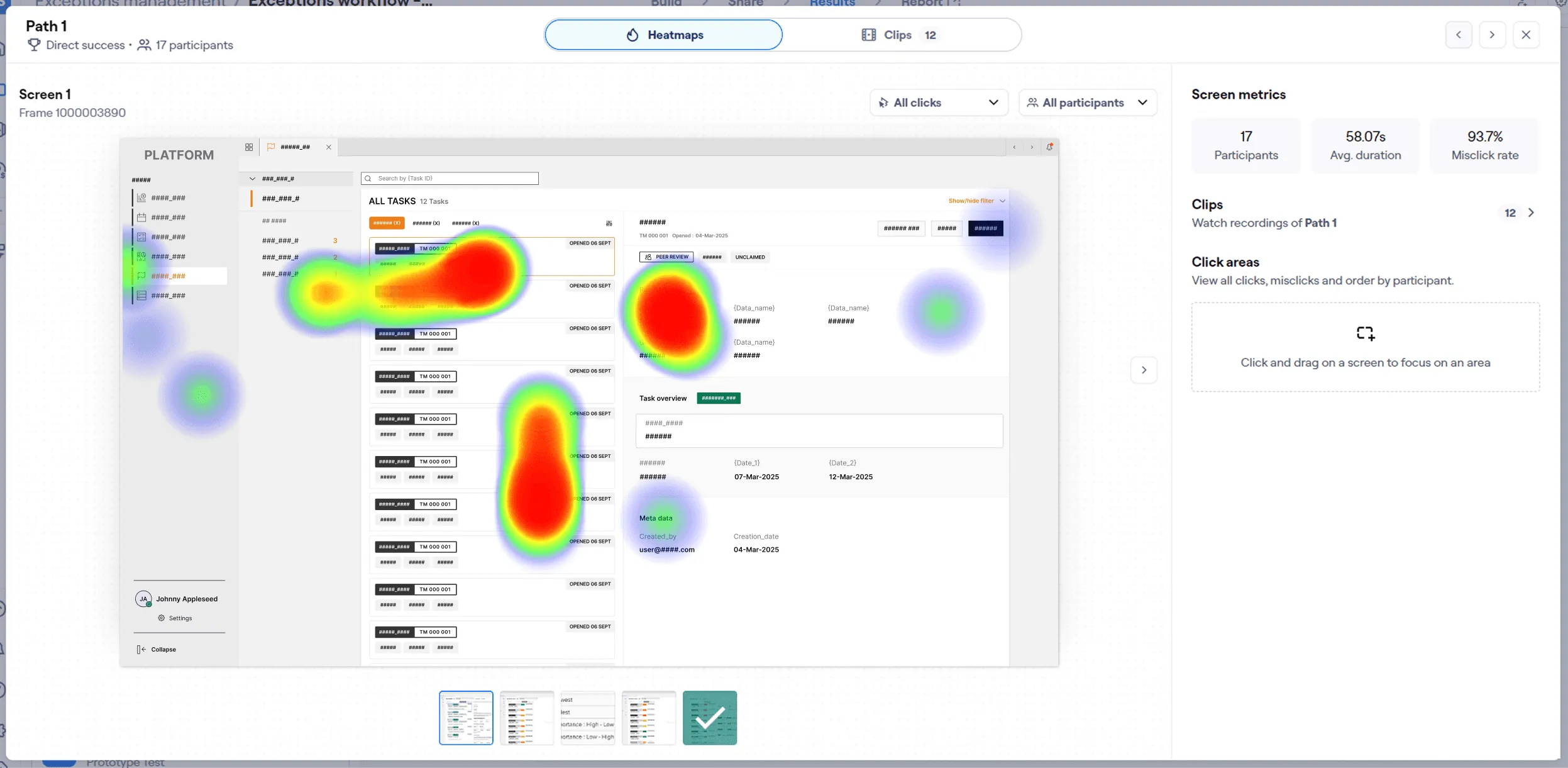
User validation was embedded throughout the design lifecycle. Iterative usability testing assessed task comprehension, review efficiency and decision confidence across variants of user roles and data contexts.
Insights derived from testing informed refinement cycles, leading to demonstrable improvements in accuracy, task completion speed and overall system trust. Verification metrics showed measurable reductions in operational friction and user support dependencies.
Enterprise Design System
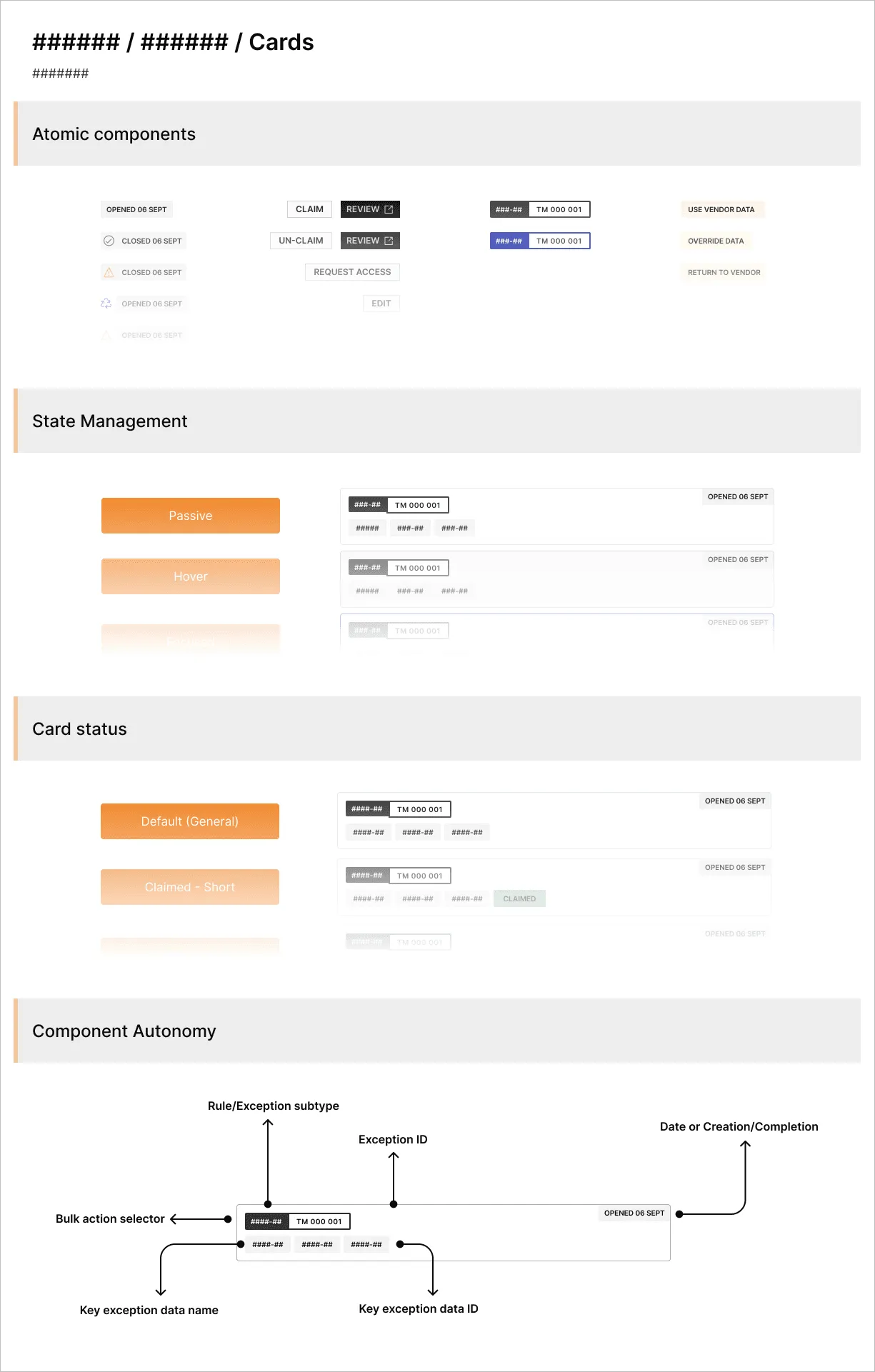
An enterprise standard design system was introduced to unify experience patterns, standardise interaction behaviours and accelerate delivery across multiple product streams. Defined principles, governance models and reusable components served as a single source of truth, enabling parallelised development while mitigating design drift.

Design system
Across every project, design patterns, components, and tokens are standardised into a reusable design system so teams can ship faster with less risk and higher consistency. Explore the principles, workflows, and tooling used to build industry grade systems.
Design & Engineering Collaboration Framework
A co-delivery framework was established between design and engineering teams to maintain fidelity between prototype logic and deployed functionality.
Early stage technical scrutiny of UX artefacts surfaced edge cases before development, reducing defect discovery downstream.
Operational Interface Design
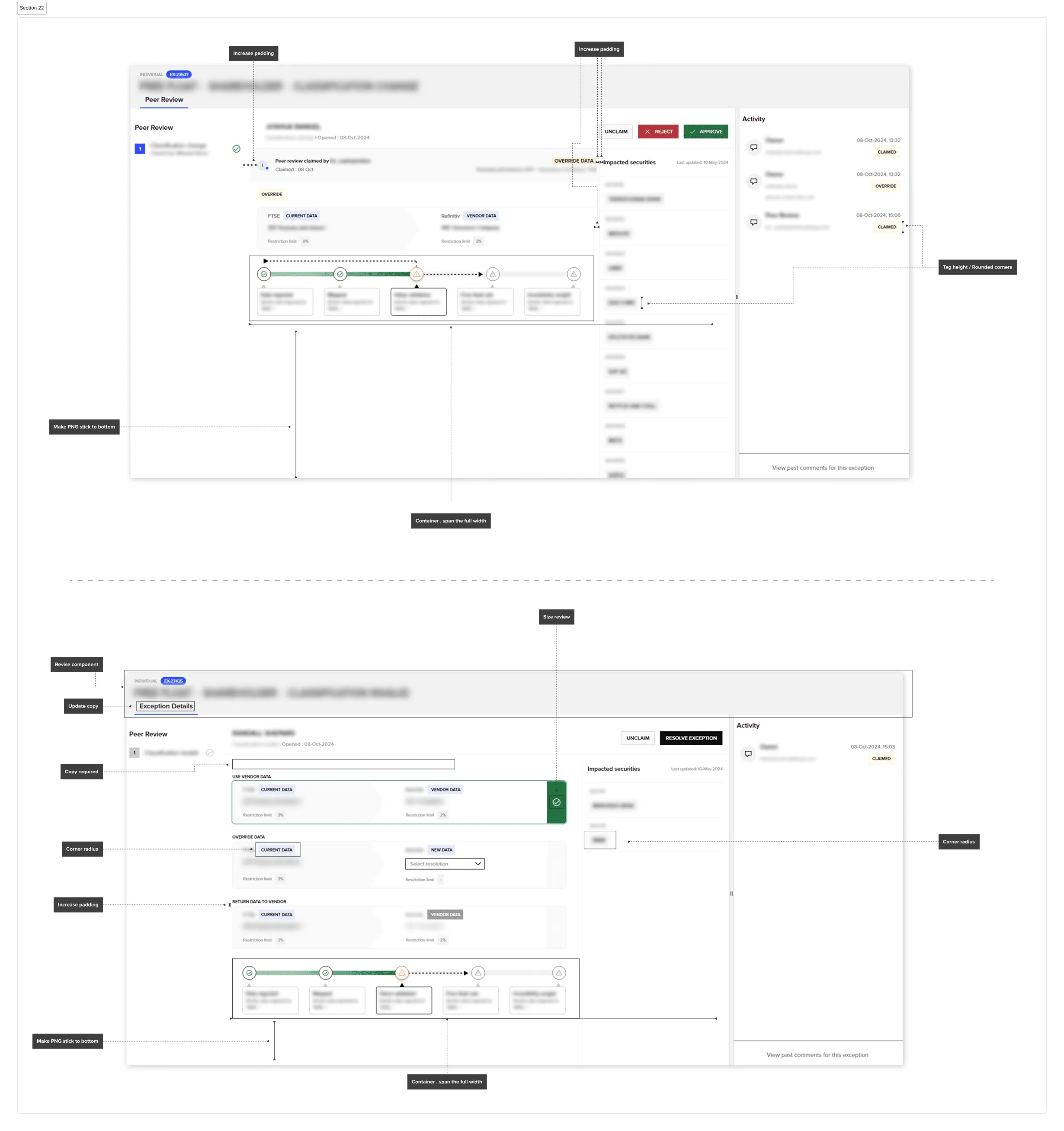
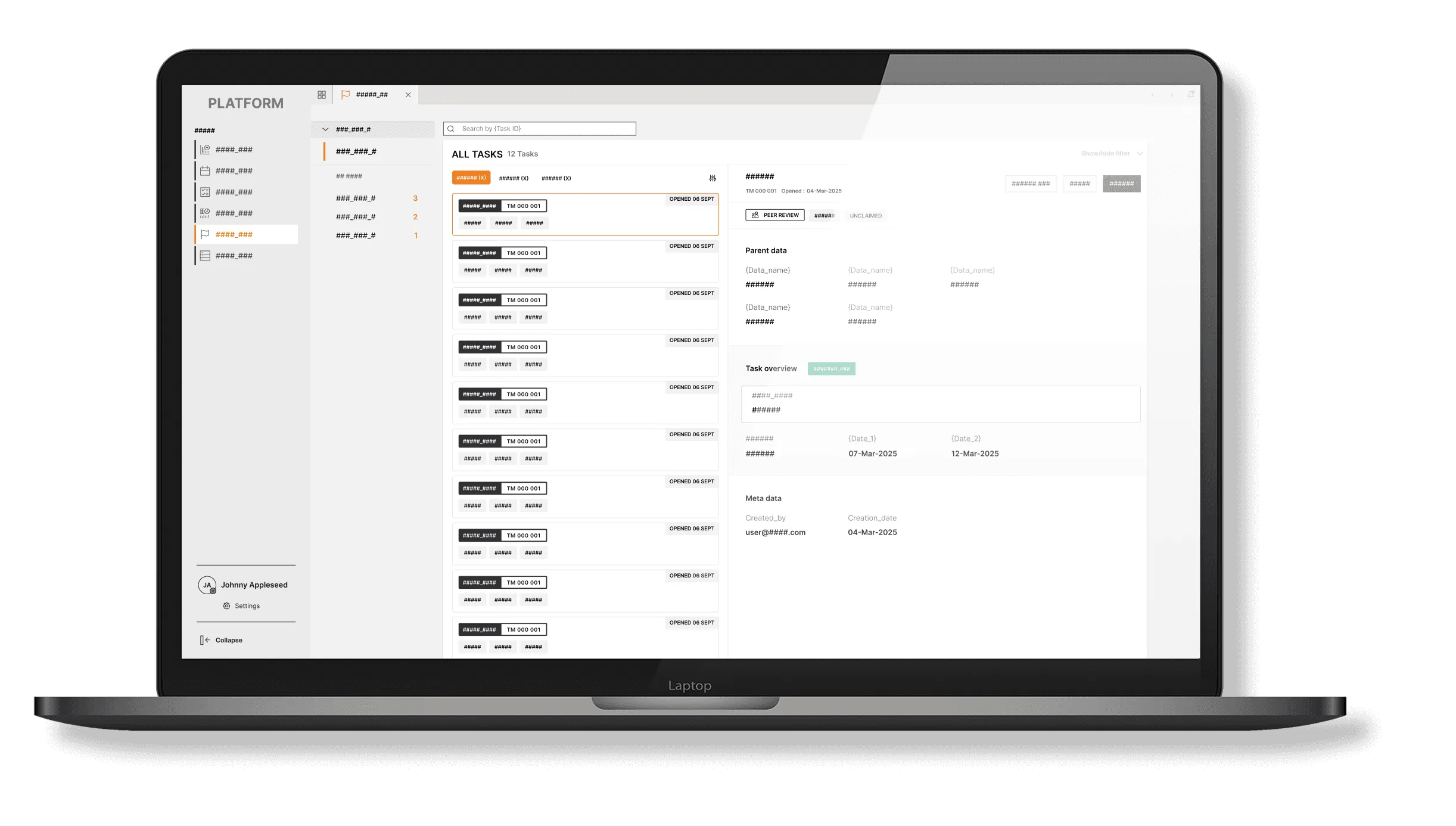
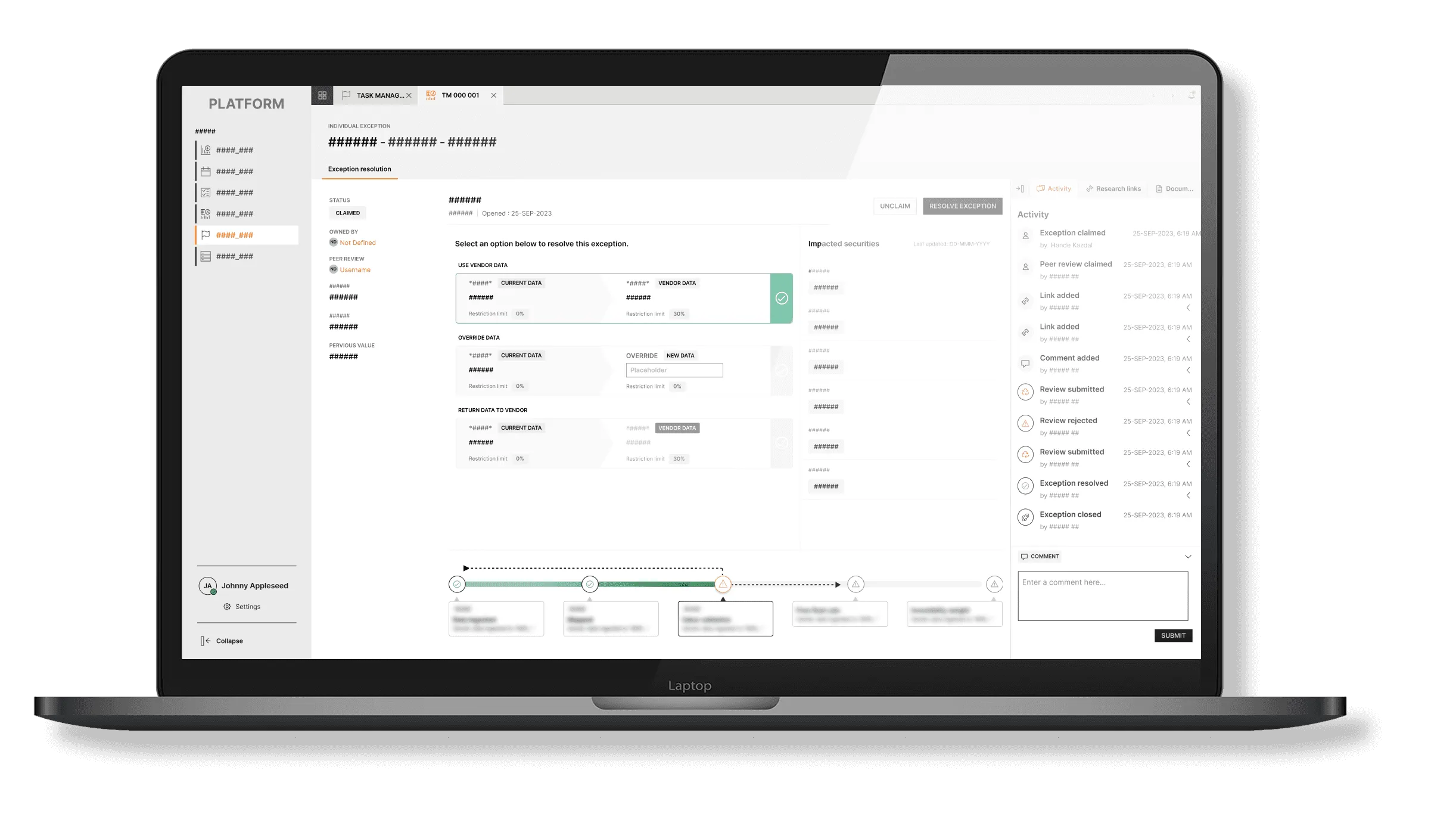
The tooling interface was optimised for interpretability and precision under high-volume, data-intensive conditions.
Information density was engineered with deliberate hierarchy, ensuring context remained accessible without visual overload. Users can filter, compare, and act on data efficiently, achieving operational velocity without compromising accuracy or compliance.
All visuals have been modified or recreated to remove proprietary data, branding, and client-specific details. Designs are illustrative and reflect process and outcomes rather than final production interfaces